A reliable hydraulic cylinder is the driving force behind many industrial machines, converting hydraulic energy into precise linear motion. However, standard products cannot always meet unique load requirements, space limitations, or operating conditions. This article explains how custom hydraulic cylinder solutions are designed, manufactured, and optimized for demanding industrial applications.
Whether you are an equipment manufacturer, system integrator, or industrial user, understanding custom cylinder design helps you select the right structure, materials, and configuration to improve machine performance, reduce downtime, and achieve long-term reliability.
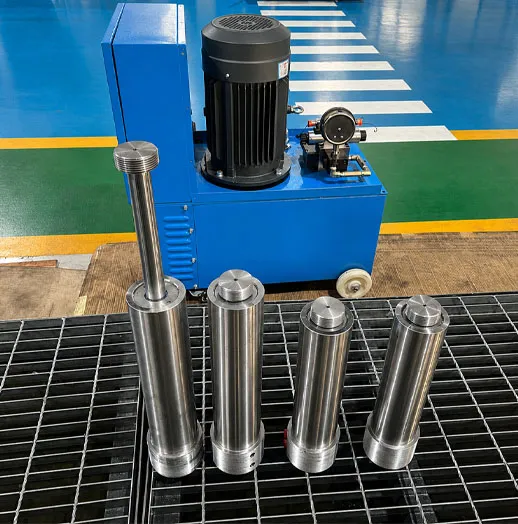
What Is a Hydraulic Cylinder and How Does It Work?
A hydraulic cylinder is a mechanical actuator that converts hydraulic pressure into linear movement. It is widely used in construction equipment, agricultural machinery, industrial presses, manufacturing systems, and automation equipment.
The basic structure of a cylinder includes a barrel, piston, piston rod, seals, hydraulic ports, and mounting components. When pressurized fluid enters the cylinder through the port, it pushes the piston forward or backward, creating controlled mechanical force.
The cylinder plays a critical role in a hydraulic system because it determines how efficiently hydraulic energy is transformed into movement. Factors such as bore size, rod diameter, operating pressure, and stroke length directly influence performance.
A typical hydraulic cylinder contains:
| Component |
Function |
| Cylinder barrel |
Houses the piston assembly |
| Piston |
Separates pressure chambers |
| Rod |
Transfers mechanical force |
| Seal |
Prevents fluid leakage |
| Hydraulic ports |
Allow fluid entry and exit |
| Mounting structure |
Connects cylinder to equipment |
Different machines require different cylinder designs. A compact machine may need a small cylinder with limited stroke, while heavy industrial equipment may require a large steel cylinder capable of handling high pressure and continuous operation.
Why Choose a Custom Hydraulic Cylinder Instead of Standard Cylinders?
Standard cylinders are suitable for many general applications, but industrial equipment often has unique requirements. A custom hydraulic cylinder allows manufacturers to optimize dimensions, materials, mounting styles, and performance according to specific machine needs.
A custom solution is especially valuable when:
- The available installation space is limited
- The required force exceeds standard options
- The machine requires special mounting
- The operating environment is extreme
- The cylinder needs a special stroke length
A professional manufacturer can adjust every detail, from the bore size to the rod design. This flexibility helps customers achieve better equipment performance compared with modifying standard cylinders.
For example, a construction machine working in harsh outdoor conditions may require a corrosion-resistant cylinder, while a factory automation system may need a compact and highly precise cylinder.
Choosing a custom solution also improves compatibility. Instead of redesigning the machine around a catalog product, engineers can develop a cylinder that perfectly matches the application.
How Does Hydraulic Cylinder Design and Engineering Improve Performance?
Effective hydraulic cylinder design requires a combination of mechanical engineering knowledge, hydraulic experience, and understanding of real working conditions.
During the design process, engineers evaluate:
- Load requirements
- Operating pressure
- Stroke distance
- Movement speed
- Mounting method
- Working environment
- Expected service life
The engineer must balance strength and efficiency. A cylinder that is too small may fail under heavy loads, while an oversized cylinder may increase cost and energy consumption.
Modern design methods use simulation, engineering calculations, and testing to optimize cylinder performance before manufacture.
A complete design and engineering process usually includes:
- Application analysis
- Cylinder configuration selection
- Material selection
- Manufacturing planning
- Pressure testing
- Final performance verification
This approach ensures that cylinders are manufactured according to actual customer requirements rather than general assumptions.
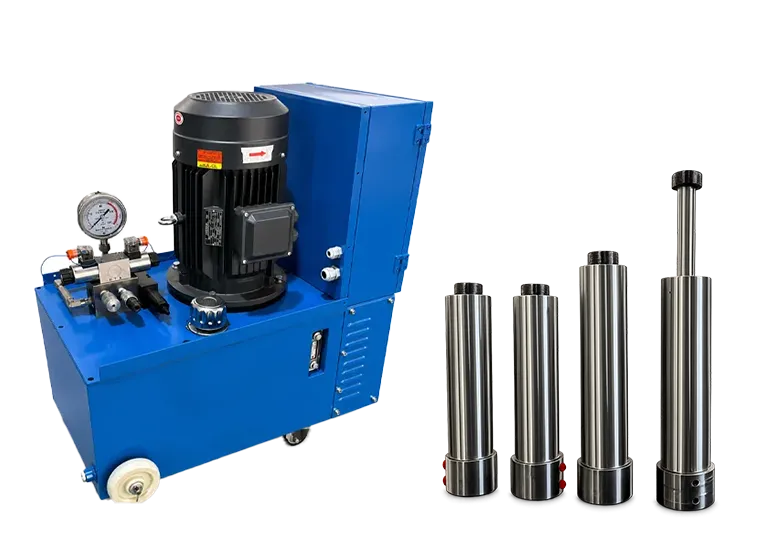
What Factors Should Be Considered When Designing a Custom Cylinder?
Designing a custom cylinder requires careful consideration of multiple technical factors. The correct specification depends on the machine type, operating conditions, and expected performance.
Load and Pressure Requirements
The required force determines the cylinder bore and operating pressure. Heavy-duty applications often need larger bore dimensions and stronger materials.
Stroke Length
The stroke defines how far the piston rod moves during operation. A longer stroke requires careful consideration of stability, bending resistance, and installation space.
Mounting Options
Mounting design affects how the cylinder connects with the machine structure. Common options include:
- Clevis mounting
- Flange mounting
- Trunnion mounting
- Rod end mounting
The correct mounting method improves alignment and reduces unnecessary stress.
Environment Conditions
The operating environment also affects cylinder selection. Outdoor machinery may require protection against dust, moisture, and corrosion.
Special applications may require stainless steel components or advanced sealing solutions to maintain performance.
How Are Hydraulic Cylinders Manufactured for Industrial Applications?
Professional cylinder manufacture requires precision machining, strict quality control, and advanced production processes.
The manufacturing process generally includes:
- Material preparation
- Cylinder barrel machining
- Piston and rod manufacturing
- Seal installation
- Assembly
- Pressure testing
- Final inspection
High-quality steel is commonly used because it provides excellent strength and durability. For special environments, stainless steel may be selected to improve corrosion resistance.
The piston rod requires precise surface treatment because it directly affects seal performance and service life.
During production, manufacturers carefully control:
- Bore accuracy
- Surface finish
- Rod straightness
- Seal installation quality
- Operating pressure capability
Reliable cylinders are manufactured through consistent processes rather than simply assembled from standard parts.
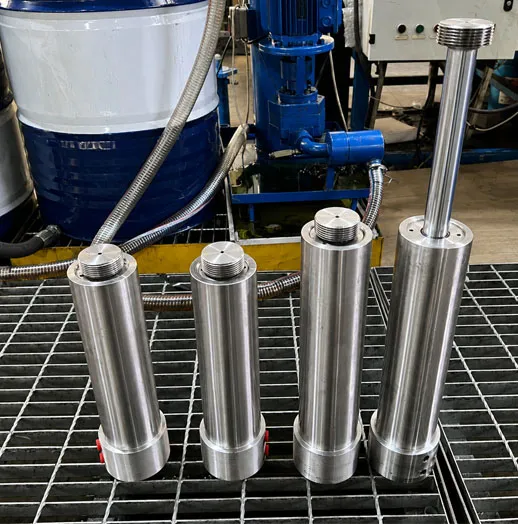
What Are Tie-Rod Hydraulic Cylinders and Double-Acting Cylinders?
A tie-rod hydraulic cylinder is one of the most common cylinder designs used in industrial applications. It uses external tie rods to hold the end caps and cylinder body together, providing strong structural support.
The tie-rod design offers several benefits:
- Easy maintenance
- Reliable construction
- Flexible customization
- Cost-effective repair
A double-acting cylinder uses hydraulic pressure on both sides of the piston, allowing controlled movement in two directions. This design is widely used where precise extension and retraction are required.
Compared with single-acting cylinders, double acting systems provide better control for complex machinery operations.
Common applications include:
- Industrial presses
- Manufacturing machinery
- Material handling equipment
- Automation system
Brands such as Parker have established widely recognized hydraulic cylinder designs, but many industrial customers choose customized solutions when standard products cannot meet their requirements.
How Do Stroke Length and Cylinder Specifications Affect Performance?
The correct stroke and specification determine whether a cylinder can operate efficiently within a machine.
The stroke length defines the maximum movement distance of the piston rod. A longer stroke can increase working range but may require stronger structural support.
Important cylinder specifications include:
| Specification |
Importance |
| Bore size |
Determines force output |
| Rod diameter |
Influences strength and stability |
| Stroke |
Controls movement distance |
| Pressure rating |
Defines operating capability |
| Mounting style |
Ensures proper installation |
Selecting the wrong size may cause problems such as vibration, reduced efficiency, or premature wear.
Professional engineers analyze the complete application before recommending a cylinder configuration.
How Can Engineers Select the Right Cylinder Configuration?
Selecting the correct configuration depends on the machine design and operating requirements.
Engineers consider:
- Space limitations
- Required force
- Speed requirements
- Mounting position
- Maintenance needs
Common configurations include:
Compact Cylinders
Used where installation space is limited.
Telescopic Cylinders
Provide extended movement while maintaining a shorter collapsed size.
Tie-Rod Cylinders
Suitable for industrial equipment requiring easy maintenance.
Custom Hydraulic Designs
Developed for specialized machinery and unique applications.
A complete hydraulic solution combines cylinder selection with valves, pumps, controls, and other hydraulic components.
Why Choose an Experienced Hydraulic Cylinder Manufacturer?
Choosing the right manufacturer ensures that the cylinder matches your equipment requirements and performs reliably over time.
An experienced manufacturer provides more than production capability. They offer engineering support, testing expertise, and customization services.
A reliable supplier should provide:
- Complete hydraulic cylinder design
- Custom manufacturing capability
- Technical consultation
- Quality inspection
- Long-term support
Baishicheng Hydraulic specializes in customized hydraulic solutions for industrial customers worldwide. Our engineering team supports applications including mining machinery, metallurgy equipment, oilfield systems, construction machinery, machine tools, agricultural equipment, and automation production lines.
From initial design to final delivery, we help customers develop reliable hydraulic solutions based on real operating requirements.
FAQ
What is a custom hydraulic cylinder?
A custom hydraulic cylinder is a hydraulic actuator designed according to specific requirements, including force, stroke, mounting, pressure, and working conditions.
Why choose a custom hydraulic cylinder?
Custom cylinders provide better machine compatibility, higher reliability, and optimized performance compared with standard cylinders.
What information is needed for a custom cylinder?
We need details such as load, pressure, stroke length, bore size, rod diameter, mounting type, and application environment.
Can you manufacture hydraulic cylinders based on drawings?
Yes. We support OEM production and can manufacture hydraulic cylinders according to customer drawings or specifications.
What types of hydraulic cylinders do you provide?
We supply tie-rod cylinders, welded cylinders, double-acting cylinders, single-acting cylinders, telescopic cylinders, and heavy-duty cylinders.
What materials are used for hydraulic cylinders?
Common materials include carbon steel, alloy steel, and stainless steel, selected according to application requirements.
How do you ensure hydraulic cylinder quality?
Each cylinder undergoes machining inspection, assembly checks, and pressure testing to ensure reliable performance.

 English
  Get a Quote


 September 29, 2026